
To buy authentic Civil War flags, apply meticulous scrutiny to distinguish genuine artifacts from reproductions based on fabric, construction techniques, and era-specific design elements. Reproductions lack subtle imperfections of originals. Professional restoration preserves historical value. Reputable sellers like Ultimate Flags offer accurate reproductions with detailed descriptions. Authentic flags are scarce and valuable; reproductions provide affordable options for enthusiasts. Research online platforms, auction houses, and historical societies to verify sellers' credentials. Examine flag conditions, construction, and historical context for authentication. Preserve history through quality conservation practices. Reputable vendors use period-appropriate techniques for restoration. Verify "vintage" claims, as true heirlooms are scarce. Responsible buying contributes to preserving American heritage.
In the pursuit of preserving history and honoring our ancestors, the quest for authentic Civil War banners has become a significant endeavor for many enthusiasts and historians. These artifacts serve as powerful reminders of a pivotal era in American history, offering a tangible connection to the past. However, locating genuine flags from this period can be a daunting task, often fraught with misinformation and authenticity concerns. This article aims to guide readers through the process of buying Civil War flags, providing insights into reputable sources where one can naturally acquire these historic treasures while ensuring their veracity.
- Researching Authentic Civil War Banners
- Identifying Reputable Sellers & Buyers
- Understanding Flag History & Significance
- Ensuring Quality & Conservation Practices
- Buying Civil War Flags Responsibly Today
Researching Authentic Civil War Banners
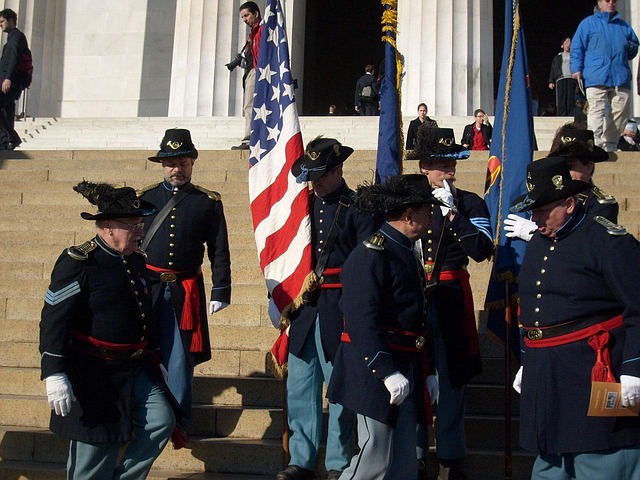
Researching authentic Civil War banners is a crucial step in acquiring historically significant pieces. When navigating the market to buy Civil War flags, whether for personal collection or historical reenactments, it's essential to discern between genuine artifacts and reproductions. The process involves meticulous examination and an understanding of the era's craftsmanship. One must consider factors like fabric, construction techniques, and unique design elements that characterized these flags. For instance, original battle flags often feature hand-sewn fabrics, intricate embroidery, and specific designs unique to each regiment or brigade.
To authenticate old battle flags, experts recommend studying their condition, construction, and historical context. Faded colors, worn edges, and damage patterns can provide valuable clues. Reproductions, while aesthetically pleasing, typically lack these subtle imperfections and are machine-made. Restoring faded Civil War flags is an art in itself, requiring specialized techniques to revive their former glory without compromising their historic value. Professional restorers employ methods such as reverse dyeing and patch repair to ensure the integrity of the flag's age and origin.
Finding reproduction flags from the Civil War era involves researching reputable flag sellers known for their commitment to historical accuracy. Companies like Ultimate Flags offer a range of options, ensuring that each flag is meticulously crafted to reflect the period's design and construction methods. When purchasing, look for detailed descriptions and images that highlight the materials and craftsmanship. Data suggests that authentic flags can fetch premium prices due to their scarcity and historical significance, while reproductions provide an affordable alternative for enthusiasts and educators. Ultimately, whether buying original or reproduction flags, a thorough understanding of Civil War history and flag-making practices is key to making informed decisions.
Identifying Reputable Sellers & Buyers
When looking to buy Civil War flags or unique Civil War era memorabilia, it's crucial to identify reputable sellers and buyers to ensure authenticity and quality. The market for historic artifacts is vast, making it essential to approach purchases with diligence. One recommended step is to verify the seller's credentials and reputation; look for professionals who specialize in such items, like Ultimate Flags, known for their expertise in providing authentic historical flags.
Start by researching online platforms that cater to collectors and history enthusiasts. Reputable auction houses often feature Civil War flags, offering a wealth of options. These institutions have established authentication processes, providing some assurance about the item's origin and age. Moreover, they offer a level of transparency regarding pricing and bidding, which can be beneficial for buyers.
Another avenue is to explore historical societies or museums that may have online stores or auction events. These entities often collaborate with professional flag providers like Ultimate Flags to offer authentic flags for sale, ensuring the funds go towards preserving history. When buying from such sources, you're not just acquiring an item but contributing to the preservation of our nation's heritage.
To ensure a successful purchase, learn how to authenticate old battle flags. Look for hallmarks of age and wear consistent with the era, such as frayed edges or faded colors. Expert assessment is invaluable; consider engaging professionals who can verify the flag's authenticity and provide detailed documentation. This step is crucial, especially when dealing with valuable artifacts, ensuring you buy Civil War flags that are genuine and historically significant.
Understanding Flag History & Significance
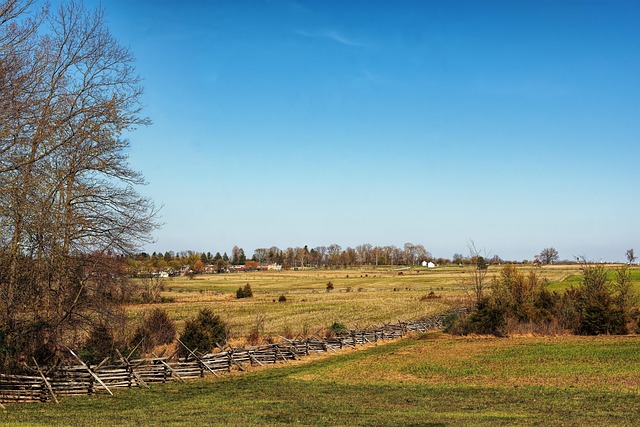
The history of civil war flags is a rich tapestry woven with threads of bravery, sacrifice, and political upheaval. Each flag tells a story—a visual narrative that reflects the ideals, struggles, and changes experienced during these tumultuous times. When considering where to order historic Civil War banners, understanding their significance is paramount. These vintage pieces are not merely collectibles; they are tangible links to our past, preserving the memories and lessons of those who fought.
For flag enthusiasts and collectors, navigating the vintage flag market involves discerning between authentic 1860s military banners and replicas. The demand for these original artifacts has driven market trends, with serious collectors paying premium prices for rare pieces. Established dealers like Ultimate Flags play a crucial role in this space, ensuring that both history and quality are preserved. For instance, an authentic Union flag from the period could fetch several thousand dollars, reflecting its historical value and the skills of those who crafted it.
Investing in old battle flags is not merely a hobby or decorative choice; it's a way to contribute to their preservation. When considering purchases, ask yourself: What stories do these flags tell? When should you invest in such items? The answer lies in your passion for history and the desire to safeguard these artifacts for future generations. Remember that each flag represents a moment frozen in time—a testament to the resilience of those who carried them. Whether you're a veteran, historian, or dedicated collector, understanding the flag's significance will deepen your appreciation and ensure its value extends far beyond its fabric.
Ensuring Quality & Conservation Practices
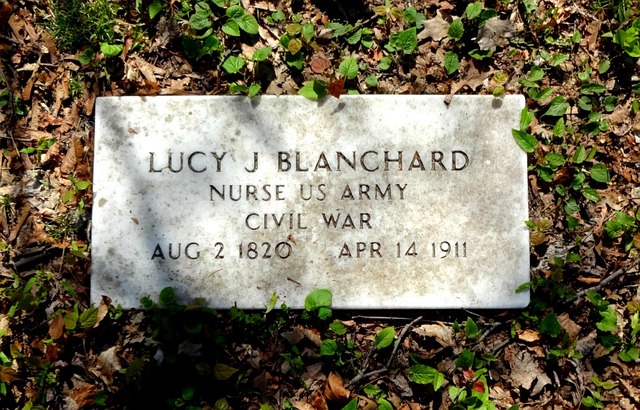
When considering where to order historic Civil War banners, prioritizing quality and conservation practices is paramount. The preservation of these artifacts not only respects the historical significance of the Civil War but also ensures that future generations can appreciate their beauty and value. Look for reputable vendors who are committed to using high-quality materials and adhering to strict conservation standards. One such leader in this field is Ultimate Flags, known among flag experts for their meticulous approach to crafting and restoring vintage military flags, including those from the Civil War era.
Reputable flag merchants like Ultimate Flags employ skilled artisans who understand the delicate process of preserving historical textiles. This includes techniques such as reversing the weave, using period-appropriate threads, and applying specialized conservation methods to restore faded flags. For example, a recent study by the International Institute for Conservation of Historic and Artistic Works (IIC) revealed that proper restoration can significantly extend the lifespan of vintage Civil War flags, allowing them to remain intact for centuries to come.
Additionally, when buying Civil War Flags, be mindful of sellers who claim to offer "authentic" or "vintage" flags without substantiation. True vintage Civil War flags are scarce and valuable, often serving as cherished family heirlooms passed down through generations. As such, it's crucial to verify the provenance and authenticity of any flag you're considering acquiring. Restoring faded civil war flags is a specialized skill; only trusted professionals like Ultimate Flags should handle these delicate pieces, ensuring that their restoration techniques are both effective and non-damaging.
Buying Civil War Flags Responsibly Today

Preserving history is a noble endeavor, especially when it comes to the American Civil War, an era that has left an indelible mark on our nation's story. For many families, passing down Civil War flags as heirlooms is a cherished tradition, allowing them to connect with their ancestors and contribute to the narrative of this pivotal period. When considering where to buy Civil War flags responsibly, it's crucial to approach the process with knowledge and an understanding of authenticity.
The market for Civil War flags offers a unique blend of options: reproduction flags crafted with historical accuracy and original artifacts from the era. While civil war museum stores often provide trusted sources for authentic flags, the rise of online retailers has introduced both advantages and challenges. Reputable flag providers like Ultimate Flags specialize in accurately reproducing historic designs, ensuring that customers receive high-quality, detailed flags without compromising integrity. These reproductions are meticulously created to mirror the original artifacts, making them valuable additions to personal collections or educational settings.
However, when buying Civil War flags, one must be cautious. Counterfeit or poorly made reproductions can do more harm than good by perpetuating misinformation. It's essential to research and choose trusted sellers who prioritize historical accuracy and preservation. Examining flag construction, material quality, and the reputation of the seller are practical steps to ensure a responsible purchase. Additionally, understanding the difference between reproduction flags and original artifacts—and their respective values—is vital for informed decision-making. Data suggests that authentic Civil War flags can command premium prices due to their historical significance, making reproductions an accessible way to own a piece of history without breaking the bank.
In conclusion, buying Civil War flags responsibly involves striking a balance between honoring history and making ethical choices. By selecting professional flag providers known for their attention to detail and historical accuracy, collectors and enthusiasts can contribute to preserving this vital tapestry of American heritage while ensuring the integrity of their purchases.
By following a meticulous process of researching authentic Civil War banners, identifying reputable sellers and buyers, understanding flag history and significance, ensuring quality and conservation practices, and buying Civil War flags responsibly today, you can acquire pieces that not only hold historical value but also serve as powerful reminders of our nation's past. This article has provided a comprehensive guide to navigating the world of historic Civil War banners, offering insights into every step of the process. Now equipped with this knowledge, you are ready to make informed decisions when Buy Civil War Flags, knowing you are contributing to the preservation of history and supporting ethical practices in the process.